
Common Types of Artificial Eyes
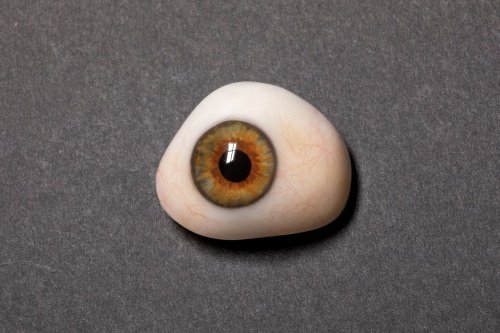
Artificial eyes play a vital role in rebuilding confidence and comfort for those who have lost an eye to injury, disease, or a congenital condition. Several different types of artificial eyes exist with each designed to meet specific needs, from temporary solutions to long-term, custom-made prosthetics.
This article looks at the most common types of artificial eyes, including conformers, custom-fitted prostheses, and scleral shells, and how each type provides functional and cosmetic benefits.
Conformers
Conformers are clear, pre-made shapes placed in the eye socket immediately after surgery. Their primary function is to maintain the shape of the socket and prevent shrinkage that may occur as the tissue heals.
Key Features of Conformers
- Made from medical-grade plastic or clear acrylic.
- Help the healing process following enucleation or evisceration surgery.
- Maintains the integrity of the eye socket and fornices (the eye socket folds that keep a prosthetic eye in place).
It is common for a patient to wear a conformer for between a few weeks and up to a few months before they move on to wearing a permanent custom prosthetic eye.
Custom-Fitted Prosthetic Eyes
The most advanced and personalised artificial eyes available are custom-fitted prosthetic eyes. Compared to off-the-shelf alternatives, these prostheses are specifically designed for the individual wearing them. This ensures the best fit, superior comfort, and perfect aesthetic match.
Why Choose A Custom Prosthetic Eye?
Here are a few factors to keep in mind when considering a custom prosthetic eye:
- Personalised Fit: An impression of the eye socket is required by the ocularist. This ensures a comfortable, secure fit.
- Natural Appearance: To match the remaining eye, the prosthetic eye is hand-painted. This helps in replicating the colour, veins, and texture to create a natural match.
- Long-Term Comfort: A custom prosthetic eye is designed to sit securely in the eye socket. This reduces irritation and the risk of complications.
At James H. Morphett, each prosthetic eye is crafted with precision, ensuring patients receive a high-quality prosthesis that closely resembles their natural eye.
Scleral Shells
A scleral shell is a thin prosthetic eye designed to fit over a blind, disfigured, or damaged natural eye. This option is ideal for individuals who still have their eyes but have lost vision or suffer from several cosmetic damage.
Benefits of Scleral Shells
A few benefits of scleral shells include:
- preserving the existing eye while improving your overall appearance
- they are thin and lightweight which makes them comfortable to wear
- by covering a shrunken or misshapen eye, symmetry is enhanced.
Scleral shells require expert fitting. This ensures they rest comfortably over an existing eye. James H. Morphett specialises in designing and fitting scleral shells, which provide patients with a natural look and improved confidence.
Choosing The Right Artificial Eye
The type of artificial eye required depends on a few factors. They revolve around individual circumstances such as whether the natural eye is still present, the condition of the eye socket, and personal preferences.
- After Surgery? A conformer is normally used first, eventually replaced by a custom prosthetic.
- Lost An Eye? The best long-term solution is a custom-fitted prosthesis.
- Have A Blind or Damaged Eye? A scleral shell can improve your appearance without removing the existing eye.
Consultation with an experienced ocularist is vital to ensure the best fit and long-term comfort. James H. Morphett provides expert guidance, assisting patients in choosing the right prosthetic eye for their needs.
Conclusion
Artificial eyes are available in different forms, each serving a specific purpose. Conformers are temporary aids used after surgery. Custom-fitted prosthetic eyes provide the most personalised solution for those who have lost an eye. Finally, scleral shells offer a cosmetic fix for damaged but existing eyes. Choosing the right artificial eye ensures not only a natural appearance but also long-term comfort and functionality. For expert advice and high-quality prosthetic eyes, contact James H. Morphett today and schedule your personalised consultation.