
How Often Should a Child’s Prosthetic Eye Be Replaced as They Grow?
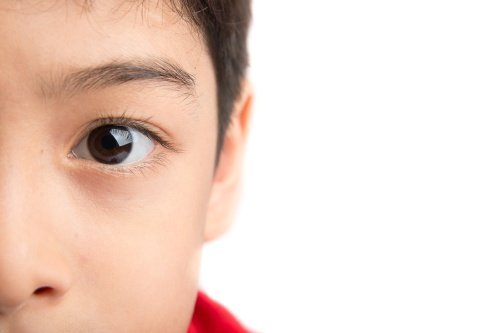
For parents of children with a prosthetic eye, one of the most asked questions is how often the prosthetic eye needs replacement as your child grows. Unlike adults, the face and eye sockets of a child change quickly, particularly in the early years. This means a child’s prosthetic eye that fits well now may require adjustment or replacement in the not-too-distant future.
In this article, we will examine what you should expect as a parent so you can plan ahead and feel confident in your child’s prosthetic eyecare.
Why A Child’s Prosthetic Eye Needs Regular Review
As a child’s face continuously develops from infancy to their teens, the eye sockets grow. This may impact how a prosthetic eye fits. A well-fitting prosthetic eye plays a vital role in the support of balanced facial growth and eyelid positioning.
Regular reviews permit the ocularist the opportunity to check that the prosthetic eye continues to support healthy development and remains comfortable. These appointments also assist in identifying minor changes early, before they become noticeable or uncomfortable.
Typical Replacement Timeframes by Age
There is no single schedule that suits every child. This is because growth rates vary, and each child’s sockets develop at a different pace. That being said, there are patterns that parents should be aware of to help them identify when to book a review.
Infants and Toddlers
During the first few years of life, growth is rapid. Prosthetic eyes may require replacement more frequently to keep pace with eye socket development.
Early Childhood and School Years
As growth slows slightly, replacements may become less frequent. Many children in this age group require reviews every six months, with replacement usually every one to two years, depending on fit and appearance.
Teenagers
Growth continues through the teenage years, although many of those changes are more gradual in nature. Replacement may be less frequent, but regular reviews remain important to ensure comfort and symmetry as facial development reaches its final stages.
Signs a Child’s Prosthetic Eye May Need Replacing
Parents are usually the first to notice subtle changes. If something does not seem right, it is probably a good reason to book in for a review. Here are some signs to watch for:
- The prosthetic eye looks smaller or sits differently
- Increased discharge or irritation
- Redness around the eyelids
- Changes in movement or alignment
- Complaints of discomfort from the child.
These signs do not always mean a full replacement is needed, but they can signal that a professional check is likely required.
Adjustments vs Full Replacement
Not every change point to the need for a new prosthetic eye. In many cases, all that is required to improve comfort and appearance is adjustments or polishing. A review appointment allows to ocularist to assess if a simple modification will resolve the issue or if a full replacement offers a better solution.
Regular reviews decrease the risk of sudden or urgent changes, which makes care easier and more predictable for both parents and children.
Emotional and Confidence Considerations for Children
As children grow, they become more aware of their appearance. This is especially true during school years and adolescence. A well-fitting, natural-looking prosthetic eye can promote confidence and social comfort.
Maintaining a good fit also decreases the risk of peers giving your child unwanted attention or asking uncomfortable questions. Ongoing care helps children feel comfortable with their prosthetic eye as a normal part of life.
How Regular Ocularist Visits Support Healthy Growth
Routine visits are for much more than just checking the prosthetic eye. These visits give the ocularist opportunities to monitor facial development, eyelid position, and overall socket health. Over time, this creates a solid relationship between your child, parents, and the care team.
These visits also allow you, as parents, to ask questions and stay informed about the changes to expect as your child passes through each stage of growth.
Conclusion
A child’s prosthetic eye is not a one-time solution. A normal part of growing up with a prosthetic eye includes replacement and adjustment. Regular reviews also play a part in supporting comfort, appearance, and promoting healthy facial development.
If you are not sure whether your child’s prosthetic eye requires review or replacement, it is always a good idea to ask early. Contact us to arrange an appointment or discuss any concerns you may have. Planned care makes the process smoother and helps your child feel confident as they grow.