
Adjusting to an Artificial Eye: What to Expect
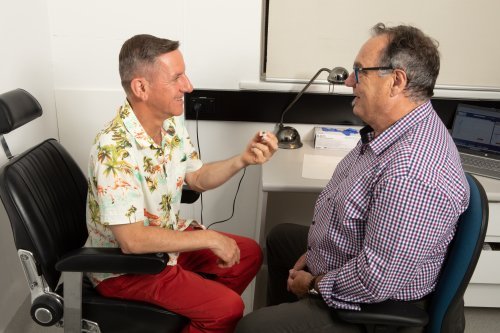
Getting an artificial eye is a big step. Understanding what to expect can make the adjustment period easier. Whether you have a custom-fitted prosthetic eye, a scleral shell, or a conformer, there is a different adaptation process for each. Also, some people adjust quickly, and others may require a little more time to get used to the feeling.
This guide will walk you through what to expect with each type of prosthesis, offering useful tips to ensure comfort and confidence.
Adjusting to a Custom-Fitted Prosthetic Eye
A custom-fitted prosthetic eye is designed for those who have had an enucleation (removal of the entire eye) or an evisceration (removal of the inner contents while keeping the sclera). This prosthesis sits directly in the eye socket and will remain in place most of the time.
What to Expect in the First Few Weeks
At first, you may find the prosthesis feels slightly uncomfortable. It may even create a feeling of fullness in your eye socket. This is a normal sensation and will improve as your body adjusts. Mild irritation, increased mucus production, and sensitivity to temperature changes are all common in the first few weeks.
Caring for Your Prosthetic Eye
It is quite common to wear a prosthetic eye continuously only removing it for cleaning as advised by your Ocularist. Over-handling the eye can disrupt the tear film, which can result in dryness or irritation.
Emotional and Social Adjustments
Many people have concerns about how their new prosthetic eye looks. A well-made, custom prosthetic closely matches the natural eye in colour and detail, which helps restore confidence. With time, most wearers forget they are even wearing a prosthesis.
Follow-Up Appointments
Regular check-ups with an experienced ocularist, such as James H. Morphett, ensure that your prosthetic eye remains comfortable, properly fitted, and well-maintained.
Adjusting to a Scleral Shell
A scleral shell is a thin prosthesis worn over an existing blind or damaged eye. Unlike a full prosthetic eye, the shell covers the surface of the natural eye. This helps to improve the appearance and preserves the eye underneath.
What to Expect in the First Few Weeks
Because the natural eye stays in place, a scleral shell may feel different from a full prosthetic eye. For some wearers, initially there can be light sensitivity or mild discomfort. As the eye adapts, these sensations tend to decrease.
Caring for a Scleral Shell
Unlike full prosthetic eyes, scleral shells should be removed each night. This allows the natural eye to “breathe.” The shell should be cleaned and stored as advised by your Ocularist. Cleaning the prosthesis regularly prevents buildup or debris and irritation.
Adjusting to a Conformer
A conformer is a temporary clear plastic or acrylic device placed in the eye socket immediately after surgery. It is used to maintain the shape of the eye socket and helps in preventing shrinkage as tissues heal.
What to Expect in the First Few Weeks
As conformers are placed right after surgery, some discomfort, swelling, and mild discharge are common. The eye socket may also feel tender, and itching in the area can occur during the healing process. Following the surgeon’s care instructions is crucial for proper healing.
Caring for a Conformer
Most people do not need to remove a conformer at home. Instead, they go to follow-up appointments where the ocularist or surgeon ensures the socket is healing correctly. However, if a conformer gets knocked out of place, an ocularist can help reinsert it.
Transitioning to a Prosthetic Eye
After several weeks, once the socket has healed, the conformer gets replaced with a custom-fitted prosthetic eye. This completes the process. Working with a skilled ocularist ensures the best long-term outcome.
Common Challenges and How to Overcome Them
Regardless of which type of artificial eye you have, adjusting to it will take time. Here are a few common concerns with solutions to help you through the process of adjustment.
1. Increased Mucus Production
- This is normal when first wearing a prosthetic and often decreases over time.
- Avoid excessive cleaning of the socket, as this can increase mucus production.
2. Dryness or Irritation
- Using artificial tears or specialised lubricants can help.
- Try to avoid frequent removal as it may disturb the natural tear film.
3. Feeling Self-Conscious
- A well-made prosthetic eye or scleral shell will have a very natural appearance.
- Over time, people gain confidence and usually forget they are wearing an artificial eye.
4. Fit or Comfort Issues
- If the prosthesis feels loose, too tight, or uncomfortable, visit an ocularist for adjustments.
- Regular polishing and maintenance will keep the prosthesis in good condition.
Conclusion
Adjusting to an artificial eye requires time and proper care. This is true with each type from a custom prosthetic eye and scleral shell to a conformer. There are unique considerations for each, from long-term wear to daily removal and maintenance.
For the best results, it is important to work with an experienced ocularist like James H. Morphett. He provides expert fitting, personalised adjustments, and ongoing care. If you are getting a new prosthetic eye or need guidance on adjusting to one, schedule a consultation today for professional support.