
Signs Your Prosthetic Eye Needs a Check-Up or Adjustment
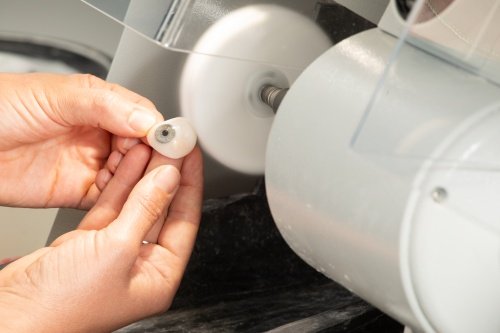
Wearing a prosthetic eye should feel comfortable, natural, and easy to manage. However, small changes may occur in your eye socket or the prosthesis itself over time. These can impact how your prosthetic eye fits and feels. This is why it is important to schedule regular check-ups with your ocularist.
Even if your prosthesis still looks fine, subtle signs can signal it is time for a professional review. These signs include dryness, irritation, or slight movement.
Here is a closer look at how to recognise the symptoms and what to expect from a check-up.
How Often Should You Have Your Prosthetic Eye Checked?
For most people, the ideal cycle is to visit your ocularist at least once every 1-2 years. These appointments help ensure your prosthesis stays clean, smooth, and properly aligned. At each of these visits, your ocularist will professionally clean and polish your prosthetic eye. This removes deposits and restores a glossy finish.
Regular maintenance also helps prevent discomfort, socket irritation, and infection. Consider it part of your regular care routine, just as a dental check-up helps keep your teeth and gums healthy. A visit to your ocularist keeps your prosthetic eye in top condition.
Common Signs That It Is Time for a Check-Up or Adjustment
Your prosthetic eye won’t last as long if you don’t take care of it. Here are a few common symptoms that may mean it could use a cleaning, polishing, or adjustment.
Discomfort or Irritation
If your prosthetic eye starts to feel gritty, sore, or dry, it could mean that debris has built up on the surface, or possibly it no longer fits as well as it once did. Regular cleaning at home helps, but professional polishing smooths microscopic scratches that result in irritation.
Redness or Swelling
A red or swollen socket can indicate several issues. These include inflammation, infection, or friction from an uneven surface. If redness persists or worsens, book an appointment as soon as possible. Leaving it untreated can make things more uncomfortable over time.
Excessive Discharge or Mucus
It is normal to have some discharge. However, if you notice a sudden increase or thicker mucus than usual, your prosthesis may need a professional clean. Buildup on the surface can irritate the socket lining, leading to more discharge. A polish and check-up may be all that is required.
Movement or Misalignment
If your prosthetic eye starts to shift or no longer lines up evenly with your natural eye, it may require some adjustment. This usually happens gradually as the eye socket changes shape or muscles adapt over time.
Changes in Appearance
A dull or cloudy surface, faded colour, or uneven texture are all signs of wear. Regular polishing can restore the natural shine of your prosthetic eye. However, if the discolouration or wear is significant, it could be time to consider a replacement.
Drooping Eyelid or Socket Changes
Sometimes, you may notice your eyelid sitting lower than before or the prosthesis sinking slightly. This can develop from normal tissue changes in the socket, which an ocularist can correct with adjustments or a new prosthetic eye.
Why These Issues Happen
Even with excellent care, changes over time are completely normal. Here are a few reasons why problems develop:
- Natural Socket Changes: Over time, the tissues in your socket can either shrink or shift.
- Surface Wear: Daily blinking and minor debris collection can create microscopic scratches that impact overall comfort.
- Environmental Factors: Dry weather, air conditioning, or dust can make your prosthesis feel increasingly uncomfortable.
- Health Changes: Illness, medication, or allergies can impact mucus production and socket sensitivity.
Regular professional care helps identify these changes early before they develop into a major issue.
What Happens During a Prosthetic Eye Check-Up
A typical check-up is quick, simple, and completely pain-free. During your visit, your ocularist will:
- Inspect Your Prosthesis and Socket: This is to identify signs of irritation, movement, or wear.
- Clean and Polish Your Prosthetic Eye: This process removes deposits and restores a smooth, glossy surface.
- Check Alignment and Comfort: During this step, any necessary adjustments are made.
- Answer Your Questions: It is at this time that you can ask your ocularist anything about care, fit, or daily maintenance.
If your prosthetic eye needs further adjustments or replacement, your ocularist will discuss the next steps and recommend what option is the best option for your needs.
When to Seek Help Immediately
Do not wait for your next routine check-up if you notice:
- Persistent pain or redness,
- Sudden swelling or discharge, or
- Difficulty reinserting or keeping the prosthetic in place.
These symptoms may indicate infection or damage and should be assessed by your ocularist or Eye Care Professional as soon as possible. Quick attention will help prevent complications and keep your prosthesis comfortable and safe.
Maintaining Comfort Between Appointments
Here are a few simple ways to keep your prosthetic eye feeling comfortable between visits:
- Clean as advised by your Ocularist
- Use lubricating drops if you experience dryness.
- Avoid unnecessary removal, as frequent handling can increase irritation.
- Stay consistent with your professional polishing schedule.
If you notice changes in comfort or appearance between regular appointments, it is always a good idea to check in with your ocularist.
Conclusion
Your prosthetic eye should feel comfortable, look natural, and move smoothly. If something does not feel right, whether it is dryness, redness, discharge, or movement, you should read that as your body telling you that it’s time for a check-up.
At James H. Morphett, we recommend regular professional care to keep your prosthesis in top condition. Our experienced team can clean, polish, adjust, or replace your prosthetic eye so that you can keep feeling confident and comfortable each day.
If it has been some time since your last visit, or if you have noticed any of the signs noted above, contact us today to schedule your next check-up.