
Allergies and Prosthetic Eyes: What You Need to Know
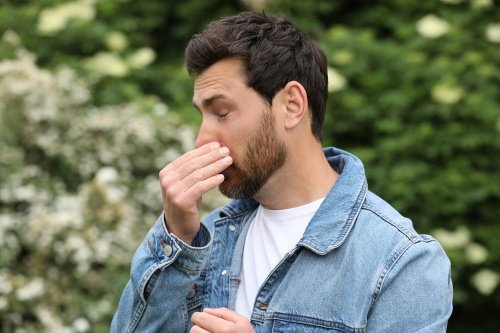
If you wear a prosthetic eye, allergy season can feel more noticeable than it may have in the past. Many individuals find that pollen, dust, or environmental irritants affect their prosthetic eye socket more than they expected. However, there is good news. Allergy-related discomfort is common and can often be managed with the right approach.
Understanding how allergies affect a prosthetic eye can help you stay comfortable and recognise when professional advice may be necessary.
How Allergies Affect a Prosthetic Eye Socket
The tissue that lines the eye socket is similar to the lining of a natural eye. This means that it can react to allergens in the same manner. Pollen, dust, mould, and pet dander can cause irritation in the socket lining and result in inflammation.
Common Allergy Symptoms in Prosthetic Eye Wearers
Allergy symptoms are different for each individual. Some people experience mild irritation, while others feel a more persistent kind of discomfort.
Common symptoms to be aware of range from itching around the socket and an increase in discharge or mucus to redness of the eyelids and a dry or gritty feeling. These symptoms may come and go or increase in intensity during high pollen days or dusty conditions.
Seasonal vs Year-Round Allergies
Allergies may only appear at a certain time of the year. An example is during spring or summer when pollen levels are higher than normal. These seasonal allergies often cause short-term flare-ups that calm down once the season changes.
Other people experience year-round allergies triggered by dust, air conditioning, smoke, or indoor environments. These symptoms may be milder but more constant, which can impact long-term comfort with a prosthetic eye.
Managing Allergy Symptoms with a Prosthetic Eye
Small daily habits can make a huge difference during allergy flare-ups. Probably the most important one is to avoid rubbing your eye or socket. When you rub your eye or socket, you can increase irritation or mucus production. Also, keep your hands clean. Finally, limit your contact with allergens.
Some people have found that if they use lubricants, it can improve comfort during allergy season. This can assist in reducing dryness. It is vital to apply the lubricant gently and to allow blinking to spread it naturally.
Should You Remove Your Prosthetic Eye During Allergy Flare-Ups?
In most cases, it is best to leave a full prosthetic eye in place, even during allergy symptoms. Removing it frequently can strip away natural lubrication and make the socket work harder to rebalance itself.
Full Prosthetic Eyes
If you have a full prosthetic eye, removing it is only recommended if you have significant discomfort, redness, or pain. If symptoms persist, professional advice should be sought rather than frequent removal.
Scleral Shells
Scleral shells sit over a natural eye and may need to be cared for differently. Some wearers find temporary removal helps them during severe allergy flare-ups. It is a good idea to always follow the advice you receive from your ocularist on this matter.
When Allergy Symptoms May Signal Another Issue
Allergy symptoms can appear similar to signs of infection or fit problems. If you notice an increase in pain, swelling, persistent redness, or discharge that does not improve, it may mean you are dealing with more than an allergic reaction.
If symptoms get worse instead of settling, or if your prosthetic eye feels different than usual, a professional assessment is important to rule out other issues.
Professional Support During Allergy Season
Allergy season can place additional stress on the eye socket and prosthetic surface. Regular check-ups permit your ocularist to assess the fit, clean and polish the prosthetic eye, and address any irritation before it can develop into something more.
If allergy symptoms are impacting your comfort or daily routine, professional support can help restore comfort and prevent potential problems from developing.
Conclusion
Allergies can make living with a prosthetic eye more challenging, but they are normally easy to manage when you use the correct care and awareness. Understanding how allergens affect your eye socket, avoiding unnecessary handling, and responding early to symptoms can help you remain comfortable all year long.
If allergy symptoms persist, get worse, or impact how your prosthetic eye feels, it could be time for a professional review. Contact us today to discuss your concerns or to book an appointment.