
What Happens During a Prosthetic Eye Aftercare Appointment?
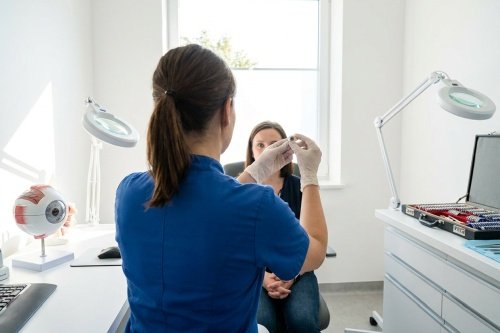
If you wear a prosthetic eye, an important part of keeping it comfortable, healthy, and looking natural is through regular aftercare appointments. Many people are not sure about what happens during these visits, especially if it has been some time since their last appointment.
The good news is that aftercare appointments continue to be simple, routine, and normally do not take very long. They play an important part in preventing problems and keeping your prosthetic eye feeling and looking its best.
Why Aftercare Appointments Are Important
Even if your prosthetic eye feels fine, over time, small changes can occur. Regular aftercare visits assist in identifying any issues early so that they can be addressed long before they become noticeable or uncomfortable.
Examples of what these appointments achieve:
- maintain comfort and reduce irritation
- keep the prosthetic eye clean and smooth
- ensure the eye looks natural and well-aligned
- monitor the health of the eye socket
The best way to understand the need for aftercare appointments is to look at them as part of an ongoing maintenance program. A small amount of attention now can prevent bigger problems later on.
How Often Should You Attend Aftercare Appointments?
For most prosthetic eye wearers, an aftercare visit every one to two years is usually recommended. However, this can vary depending on your individual needs.
You may require additional visits if:
- you experience increased discharge or irritation
- Your prosthetic eye feels different or uncomfortable
- You live in a dry or dusty environment
Your ocularist will advise you on the best schedule for your specific situation.
What To Expect During Your Appointment
A typical aftercare appointment follows a simple process. Each step is intended to check comfort, improve the condition of your prosthetic eye, and ensure everything is functioning as it should.
1. Discussion and Check-In
The first step of your appointment will revolve around a short conversation. During that conversation, your ocularist will ask you questions related to how your prosthetic eye has been feeling and if you have noticed anything different about it.
This is your opportunity to bring up any concerns about how your eye feels, regardless of how minor they may seem to you.
2. Removal of the Prosthetic Eye
The prosthetic eye is gently removed at this point during the appointment. This process is quick and should be painless. If you feel nervous about this step, your ocularist will guide you through it.
3. Inspection of the Prosthesis and Socket
Once removed, both the prosthetic eye and the socket are carefully examined. The ocularist will check for:
- surface wear, scratches, or buildup
- signs of redness or irritation in the socket
- changes in shape or fit
This step helps identify any issues early.
4. Professional Cleaning and Polishing
During this step, the prosthetic eye is professionally cleaned and polished. This removes deposits that build up over time and helps restore a smooth surface.
Polishing also improves comfort, reduces friction, and assists the eye in maintaining a natural shine.
5. Fit and Movement Assessment
Following a thorough cleaning, the prosthetic eye is reinserted. Once this occurs, the fit is checked by your ocularist who exams how the prothesis sits and moves within the eye socket.
They will look at the alignment with your natural eye and ensure everything appears balanced and comfortable.
6. Re-Insertion and Final Check
This is the final step. It includes a quick check to confirm that everything feels right with the prosthetic eye. Your ocularist will ensure that your prosthesis sits where it should and that you are comfortable before you leave the office.
Will Adjustments Be Needed?
As most aftercare appointments are routine, they do not normally require major changes. However, sometimes small adjustments are needed to improve comfort or appearance.
In some cases, your ocularist may suggest that your prosthetic eye is starting to show signs of wear and will discuss with you whether it is time to consider a replacement in the future. This is usually a gradual process, and is not something that happens suddenly.
Common Questions Patients Ask
It is normal to have questions about the aftercare appointment. Here are a few of the most frequently asked questions with answers.
Will it hurt?
No. The process is gentle and intended to be comfortable from start to finish.
How long does it take?
The average aftercare appointment lasts less than an hour.
Do I need to prepare for my appointment?
No special preparation is required. Just come as you are.
How To Get the Most Out of Your Appointment
To make the most of your visit, it helps to be aware of any changes you may have noticed since your last appointment.
Try to:
- mention any discomfort, even if it seems minor to you
- bring up changes in discharge or appearance
- ask questions if you are unsure about anything
The more information you share, the better your ocularist can help.
Conclusion
Aftercare appointments are simple. However, they are also an essential part of living comfortably with a prosthetic eye. They help maintain comfort, protect your eye socket, and keep your prosthetic looking natural.
Even if there do not appear to be any issues with your prosthetic eye, regular visits will ensure that if anything is identified, it can be addressed immediately.If it has been a year since your last visit, or if your prosthetic eye does not feel quite right, contact us today to book an aftercare appointment. Regular care makes a real difference in how your prosthetic eye appears and feels daily.