
What to Expect at Your First Ocular Appointment
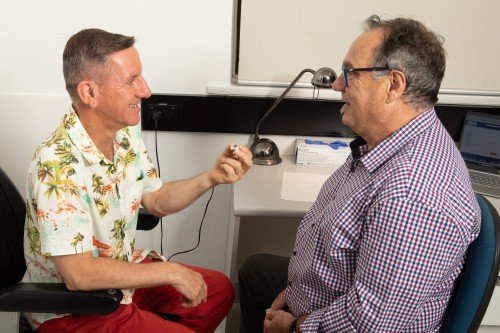
If you have recently lost an eye or need a prosthetic eye for your child, you may experience a sense of uneasiness about what to expect during your first appointment with an ocularist. That is very normal and understandable. It may ease your concerns somewhat to know that most people have the same feelings on their first visit. As a specialist who creates and fits custom-made prosthetic eyes, an ocularist will help and guide you through the entire process.
This article will walk you through your first visit step-by-step, so you can feel more comfortable about it, and be better prepared for what will take place during that appointment.
Preparing for Your Appointment
Before your appointment, there are a few things you can do to help everything go smoothly:
- Bring Your Paperwork: Any medical referrals, relevant medical history, or insurance details that you can bring will prove to be helpful. If you are not certain as to what documents you should have with you on your first visit, just call our office and our staff will help sort that out for you.
- Prepare Some Questions: You are likely to have many questions. To make sure you get all the answers you need, write down what you want to ask so you don’t miss anything. Common questions include: “How long will it take to get used to the prosthesis?” and “How often will I need checkups?”
- Ease Your Anxiety: It is not uncommon to feel anxious before this appointment. Keep in mind that this is a positive step forward. If it helps, invite a family member or a friend to be there with you for additional support.
Initial Consultation: What Happens?
Your ocularist appointment will likely start with a light, friendly conversation. Your ocularist will ask about your medical background, details of any surgeries you have had, and what your expectations are regarding your new prosthetic eye.
Next, they will carefully examine your eye socket. This procedure is gentle and usually painless. It helps them gain a better understanding of your specific needs. During this examination, they will check your socket’s shape, size, and general health, to ensure your prosthesis will fit comfortably.
It is also a good time for you to ask your questions and voice any concerns you may have. Your ocularist is there to help you, so don’t be afraid to speak openly.
Understanding Prosthetic Eye Options
As your visit progresses, your ocularist will explain the processes involved in the fitting of a custom-fitted prosthetic eye, hand-painted and designed specifically to match your remaining natural eye.
Sometimes, other options, such as scleral shells (thin prosthetics that fit over a blind eye), or temporary conformers (used immediately after surgery) might be discussed.
Your ocularist will guide you through each option, helping you choose the best choice to fit your personal situation, lifestyle, and comfort.
The Fitting Process: Step-By-Step
Once your options have been presented to you, the next step is to create an impression of your eye socket. The ocularist will gently place a soft material into your socket, which will form a mould. This part of the process will only take a few minutes and will feel a little unusual, but is not normally uncomfortable.
Following this, your ocularist will carefully match your natural eye’s colour and appearance. Following the colour matching, your Ocularist will fashion a wax model based on the impression previously taken. This enables them to gain the optimum fit and appearance.
Your ocularist will then discuss timelines. On average, the custom prosthetic eye is ready in several weeks. You will go to the ocularists at that point for fittings and adjustments to ensure your new prosthetic looks natural and feels comfortable.
Discussing Aftercare and Maintenance
At your first appointment, your ocularist will also go over with you how to care for your prosthetic eye properly. They will give you simple tips for daily maintenance such as how to clean your prosthesis, how often you should remove it, and how to handle it safely.
It is also important to schedule regular professional maintenance appointments. These should be approximately every 24 months. It is during these visits that your ocularist will polish your prosthetic eye to ensure you experience continued comfort.
Addressing Emotional and Social Concerns
Adjusting to a prosthetic eye can be as emotional as it is physical. It is normal to feel self-conscious or unsure about how others may react.
Your ocularist completely understands this and can offer you some useful tips on how to ease those feelings, build your confidence and increase comfort. They will offer strategies you can use to handle questions or curiosity from others, helping you prepare emotionally and socially.
Keep in mind, that it is perfectly alright to speak openly about your feelings. Your ocularist is there to give you the support you need to help you through this entire journey. There is nothing they have not heard already.
Questions You Should Always Ask
Your first appointment is a great opportunity to clarify anything you may be unsure about. Here are a few suggested questions that may prove helpful:
- “What should I do if my prosthetic eye becomes uncomfortable?”
- “How long will it take to adjust to wearing the prosthesis?”
Your ocularist will be glad to answer these and any other questions you may have. Don’t hold back if there is something you want to ask.
Conclusion
Your first ocularist appointment is a big step toward restoring comfort, confidence, and a natural appearance after losing an eye. While it is normal to feel somewhat apprehensive, knowing what to expect can help ease your mind by removing anxiety.
At James H. Morphett, we understand your concerns and aim to make your experience positive and reassuring. If you have questions or would like to schedule your first appointment, we are here to help.
You have already made the first step – now let’s move forward together.