
How Long Does A Prosthetic Eye Last? What To Expect Over Time
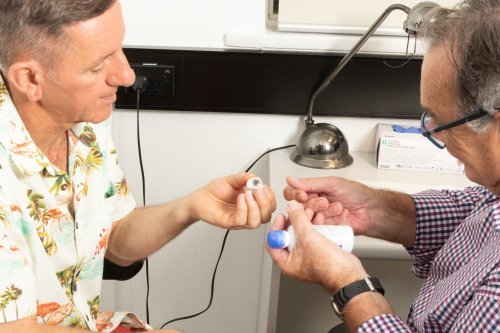
If you or your child wears a prosthetic eye, you may be wondering how long one will last. After all, a prosthetic eye is not something people think about regularly. That is until they need a replacement or adjustment. When you know what to expect, you can save a lot of worry later on.
This article will explain how long you can expect your prosthetic eye to last. We will also cover what signs suggest it might be time for a replacement, and how you can keep your artificial eye in great condition.
How Long Does A Prosthetic Eye Usually Last?
On average, a prosthetic eye will last somewhere between five and seven years. Some can last even longer. It depends a lot on how they have been handled and if they have received regular maintenance. Even with these variables, there is no exact timeframe as there are many factors that come into play. They include:
- Material Quality: Most modern prosthetic eyes are made from durable acrylic, which usually has a longer lifespan than traditional glass prostheses.
- How Well It Is Cared For: Caring for your prosthetic eye as advised by your Ocularist and regular professional maintenance will extend the life of your prosthesis and help you determine if it needs to be replaced.
- Your Individual Eye Socket: Changes in your socket shape or health over time may require adjustments or replacements sooner.
- Lifestyle Choices: Active sports or work environments may cause your prosthetic eye to wear out a little quicker.
Signs Your Prosthetic Eye Might Need Replacing
Knowing when to replace your prosthetic eye requires observation on your part. Certain signs may help you determine you may need a replacement. Here are some common indicators:
Physical Wear and Tear:
- Scratches or tiny cracks that appear on the surface
- fading colour or discolouration which makes the prosthetic appear unnatural
- an increase in mucus or discharge, irritating regularly.
Changes in Comfort or Fit:
- your prosthetic eye is moving or rotating within the socket more easily than before
- socket discomfort or irritation is more frequent
- there have been cosmetic changes such as eyelid drooping or other obvious asymmetry.
If you start to see any of these signs, it is likely time to book an appointment with your ocularist to discuss replacement options.
Why Regular Check-Ups Matter
Just like regular check-ups with your dentist keep your teeth healthy, regular visits to your ocularist can do the same for your prosthetic eye. To keep it in good shape, you should schedule appointments to see your ocularist every 1-2 years.
At these check-ups, your ocularist will do the following:
- professionally clean and polish your prosthetic eye, smoothing out minor scratches and helping to prevent discomfort
- assess your socket health and the fit of your prosthetic.
- identify early any signs of wear or issues you may not have noticed.
These routine visits go a long way in extending the life of your prosthetic eye.
What Happens When Your Prosthetic Eye Needs Replacing?
If it’s time for a new prosthesis, here’s what typically happens:
- Assessment and Measurement: Your ocularist will examine your socket thoroughly and will carefully measure it to create the perfect fit.
- Creation of a New Prosthetic Eye: Your new prosthesis will be hand-crafted and custom-painted to closely match your natural eye.
- Fitting and Adjustment: You will return to see your ocularist for the new prosthetic eye fitting. Your ocularist will ensure that the prosthesis sits comfortably and has a natural appearance. It is not uncommon to need small adjustments initially.
The entire process is straightforward, but it does call for careful attention to detail. This is why it is important to choose an experienced ocularist.
Tips for Maximising Your Prosthetic Eye’s Lifespan
When you take good care of your prosthetic eye, you can extend how long it lasts. Here are some helpful tips:
- Handle With Care: Always clean your prosthetic eye as advised by your Ocularist. Avoid harsh chemicals, alcohol, or abrasive cleaning products.
- Protect It During Activities: Wearing protective eyewear when playing sports or other activities helps to prevent loss or accidental damage.
- Avoid Unnecessary Removal: Your prosthesis does not need to be removed daily. It is best to just remove it when necessary or as advised by your ocularist.
By following these simple guidelines, your prosthetic eye will look great and last a long time.
Common Myths About Prosthetic Eye Durability
Here are a couple of misconceptions we hear a lot:
Myth: “A prosthetic eye lasts forever.”
Reality: Your socket changes over time resulting in the fit, comfort and appearance of your prosthetic eye deteriorating. Regular replacements help maintain comfort and a natural appearance.
Myth: “You have to replace your prosthetic eye every year.”
Reality: Except in the case of children, most prosthetic eyes have a lifespan of between 5 and 7 years. Some last longer, depending on how they are cared for. Replacement is usually is based comfort and appearance. It is not based on the calendar.
Understanding these realities will help to set proper expectations and reduce unnecessary concerns.
Conclusion
Your prosthetic eye is an important part of your appearance, confidence, and daily comfort. With proper care and regular check-ups, it can give you years of use. However, it helps to know what to watch for to tip you off to the possible need for replacement. Remember, replacing a prosthesis helps ensure you are comfortable and confident.
At James H. Morphett, we have decades of experience in the crafting, fitting, and maintenance of prosthetic eyes. If you have concerns or questions about your current prosthesis or think it may be time to consider a replacement, contact us today for a personalised consultation.