
Can You Play Sports with a Prosthetic Eye?
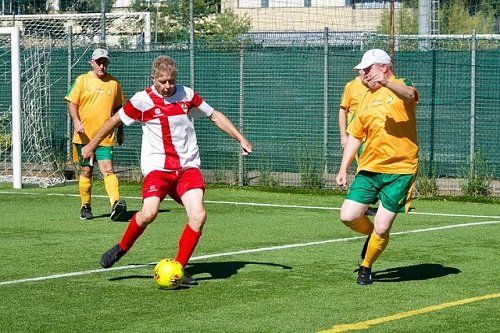
If you, or your child, has received a prosthetic eye recently, you may be wondering whether sports and physical activities are still possible. The good news is that you absolutely can play sports with a prosthetic eye. Many people with ocular prostheses continue to enjoy everything from recreational games to competitive sports. With a few sensible precautions and some guidance, an active lifestyle is not just possible – it is encouraged.
Here is what you need to know.
Is It Safe to Play Sports with a Prosthetic Eye?
The answer to this question for most people is yes. It doesn’t matter if that sporting activity is running, cycling, tennis, golf, or going to the gym, you can safely participate in a wide range of activities with a prosthetic eye. That being said, it is also important to consider the type of sport and whether it involves the risk of facial contact, impact, or dislodgement of the prosthesis.
Low-impact and non-contact activities are generally considered very safe. Even moderate-contact sports are fine with the right precautions. The key is to pay attention to what your body tells you, use proper gear, and ask your eye doctor / health professional if you are unsure about anything.
What to Consider Before Getting Active
After the loss of an eye, you may notice some changes in depth perception and peripheral vision. This can take a bit of getting used to, especially for sports that involve fast reactions, tracking balls, or quick movements – like cricket, netball, or basketball.
There is good news. With practice, most people can adjust very well to monocular vision. You may require tweaking how you play a little in the beginning, but many prosthetic eye wearers continue to compete and enjoy sport without major limitations.
Another thing to consider is prosthetic stability. High-impact sports, or activities where there’s a chance of being hit in the face, may increase the risk of your prosthetic eye being dislodged. If this concerns you, wearing protection or removing the prosthesis for the activity may be an option to consider.
Protective Gear Makes a Big Difference
Whether you’re a child playing footy at school or an adult joining a weekend tennis match, protective eyewear is strongly recommended. It reduces the possibility of injury to your socket and helps keep your prosthetic eye secure.
For many sports, wearing either snug-fitting sports goggles or wraparound glasses is ideal. As for activities with greater contact, helmets with face shields can provide added protection. It is not about limiting what you do, it’s all about playing smart and staying safe while doing so.
Water Sports? Yes, With a Bit of Care
Swimming, surfing, and water-based activities are also possible with a prosthetic eye. If you are planning to get into the water, be sure to wear a pair of swim goggles to help keep your prosthesis in place .
Some people prefer to remove their prosthetic eye for water sports ranging from diving to water skiing. They do this to avoid the risk of either losing or damaging the prosthesis. Remember, it is a personal decision and if you are not sure, you can get advice from your ocularist based on your specific situation.
Sports That May Need Extra Caution
There are a few sports where more care is needed. Activities like rugby, boxing, martial arts, or anything with a high risk of facial contact should be approached with caution. That does not necessarily mean that you have to avoid them, but you still should discuss possible risks with your ocularist or medical team before you participate.
Remember, if your prosthetic eye gets dislodged while you are involved in a contact sport, it won’t cause harm to the socket, but you still could lose or damage the prosthesis, and you don’t want to have to deal with that hassle.
Your Ocularist Is Your Best Resource
Before you leap into a new sport or get back into an old one, it is a good idea to have your prosthetic eye checked. A well-fitted prosthesis is less likely to move or cause discomfort during physical activity.
At James H. Morphett, we often speak with patients about how to stay active with a prosthetic eye. We can check its fit, answer any questions you may have about specific sports, and even recommend adjustments or safety tips if needed.
If you have already been active and something does not feel right, whether it is an increase in irritation, movement, or dryness, it is always worth stopping in for a checkup. A quick adjustment can make a huge difference.
In Summary
Playing sports with a prosthetic eye is possible and for many active people, it helps them to build confidence, stay healthy, and live a fuller life. Whether it’s kicking a ball, swimming laps, or joining a local team, staying active is one of the best things you can do.
Just remember the following:
- Use protective eyewear
- Be aware of your surroundings and adjust if needed
- Get professional advice for higher-risk sports
- Keep your prosthetic well-maintained
If you are ever unsure, the team at James H. Morphett is here to help you find the solution that best allows you to enjoy an active, confident lifestyle with your prosthetic eye.